Ordered before 4:00 PM = delivered the next business day

Reading time: 8 min

You hear the word "antioxidants" everywhere these days. Many products that are "good for you" also mention the term "antioxidants." It sounds daunting, but I'd like to explain as simply as possible what they are and why they're important.

What are Antioxidants?

Antioxidanten zijn stoffen die je lichaam beschermen tegen schade door vrije radicalen. Ze neutraliseren deze instabiele moleculen, waardoor oxidatieve stress vermindert. Dit helpt je cellen gezond te houden, veroudering af te remmen en je weerstand te versterken.

Okay, let's start simple. Antioxidants are molecules that neutralize free radicals. Sounds technical, but imagine having troublemakers running around in your body all day long. We call them free radicals . That might sound harsh, and sometimes it is, but luckily you can minimize them considerably (I'll tell you how later!). If these troublemakers, or free radicals, are allowed to run wild, they destroy your cells and damage your DNA , proteins, and other vital tissues.

And that's where antioxidants come in. They're like your personal bodyguards , donating an electron (a component) to such a radical, calming it down and preventing it from harming you anymore.

If you don't have enough antioxidants in your body, those free radicals can continue to run wild, creating oxidative stress . You can really think of this as chaos in your cells . Oxidative stress is linked to aging, chronic inflammation, cardiovascular disease, diabetes, some forms of cancer , and many other conditions. So antioxidants are quite important; they play a major role in protecting your body.

What exactly do antioxidants do?

Let's recap what antioxidants do for you:

  • They protect your cells from free radical damage
  • They help reduce inflammation in your body
  • They support your immune system
  • They play a role in slowing down skin aging
  • They help you feel more energetic and vital
  • They support your recovery after stress or illness

You can think of it this way: Antioxidants keep your body clean and calm. Like a cleaning crew and security service all rolled into one. Without antioxidants, you'll feel exhausted more quickly, more susceptible to illness , and you might notice an immediate difference in your skin and hormones .

What are free radicals again?

Free radicals are the unstable molecules that damage cells and tissues. They lack an electron and, like desperate seekers, roam your body searching for it. They steal it from healthy cells, and in return, damage those cells. This is literally how aging and damage occur at the cellular level.

antioxidant vrije radicalen antioxidanten werking

Free radicals are created by:

  • Breathe (even then)
  • Intensive sports
  • Smoking and alcohol
  • Air pollution
  • UV radiation from the sun
  • Processed foods
  • Chronic stress
  • Sleep deprivation
  • Blood sugar spikes
  • Too much or too little oxygen in your body
  • High iron intake

So you can't avoid them. But luckily, you can help your body balance them out by getting enough antioxidants .

Wat is oxidatieve stress?

Oxidatieve stress is een disbalans tussen vrije radicalen en antioxidanten. Het leidt tot celschade en wordt in verband gebracht met veroudering en chronische ziekten zoals hart- en vaatziekten, diabetes en Alzheimer.

What antioxidants are there?

Antioxidants come in different forms, each with a slightly different function in your body . The most important (and well-known) dietary antioxidants are:

  • Vitamin C – water-soluble, works in your blood and connective tissue
  • Vitamin E – fat-soluble, protects your cell membranes
  • Beta-carotene and carotenoids – Beta-carotene is a precursor to vitamin A and protects the skin and eyes. Other carotenoids include lutein, lycopene, and astaxanthin.
  • Selenium and zinc – trace minerals that activate antioxidant enzymes
  • Polyphenols & flavonoids – plant substances that are very powerful

2. Ontstekingsremmend en immuunsysteemversterkend

3. Bescherming van hart- en bloedvaten

4. Huidgezondheid en collageenondersteuning

5. Meer energie en sneller herstel

  • Minder oxidatieve stress betekent minder spierschade.
  • Sporters herstellen sneller door antioxidanten zoals Q10 en glutathion.
  • Ook bij vermoeidheid kunnen antioxidanten ondersteuning bieden.

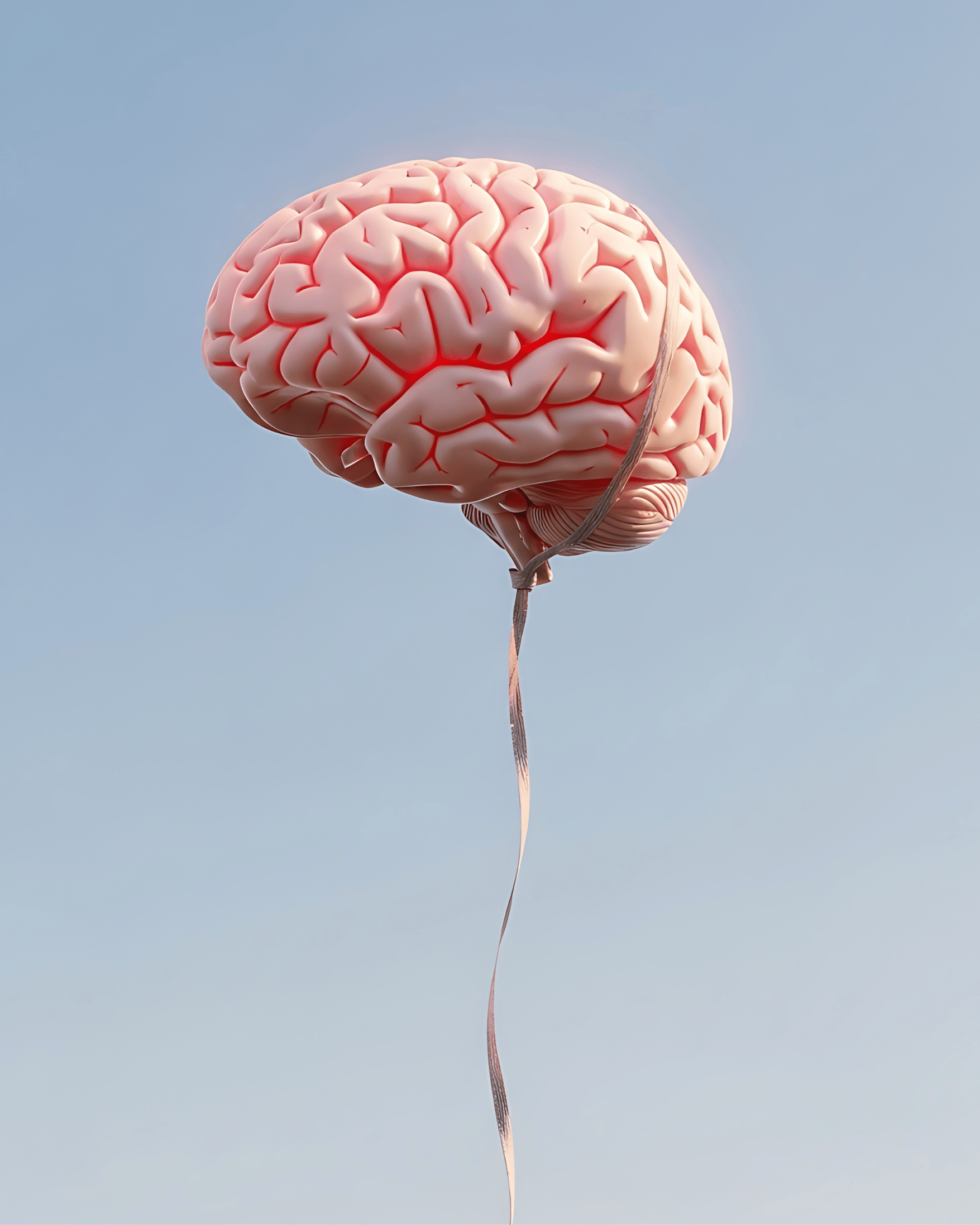
Water-soluble antioxidants like vitamin C can be primarily active in the watery regions inside and around cells, while fat-soluble antioxidants can also work in the cell membrane and cross the blood-brain barrier . This sounds complicated, but it essentially means they can also reach your brain and provide additional protection for your cells there.

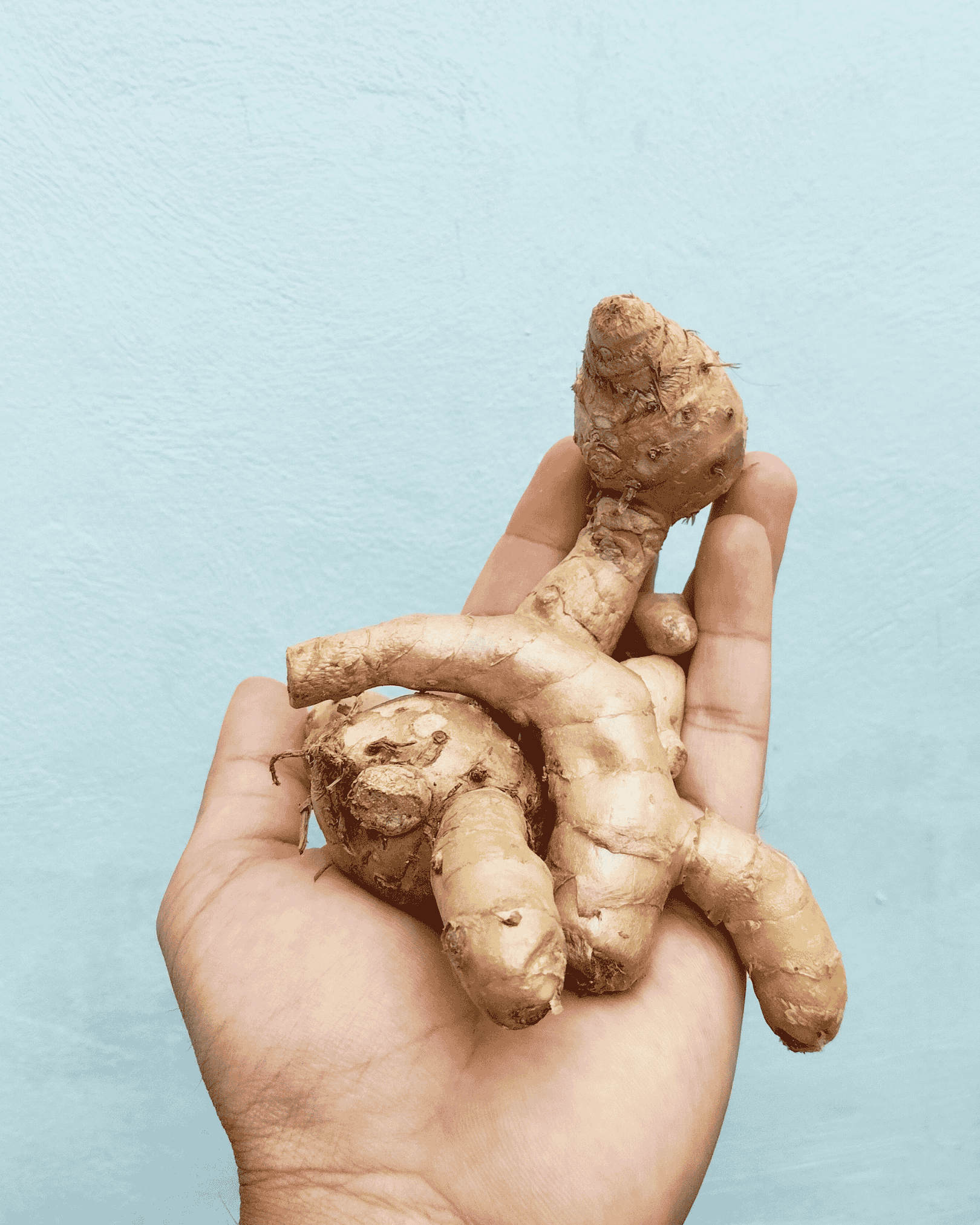
Many foods rich in antioxidants also have other important functions in the body. For example, curcumin from turmeric is a powerful antioxidant, but also has very strong anti-inflammatory properties .

Welke antioxidanten zijn er?

Je hebt antioxidanten in verschillende soorten. Ze hebben allemaal een net iets andere functie in je lijf. De belangrijkste (en bekendste) antioxidanten uit voeding zijn:

  • Vitamine C – wateroplosbaar, werkt in je bloed en bindweefsel
  • Vitamine E – vetoplosbaar, beschermt je celmembranen
  • Beta-caroteen en carotenoïden – Beta-caroteen is de voorloper van vitamine A, beschermt huid en ogen. Andere caroteinoïden zijn bijvoorbeeld luteïne, lycopeen en Astaxanthine
  • Selenium en zink – sporenmineralen die antioxidante enzymen activeren
  • Polyfenolen & flavonoïden – plantenstoffen die heel krachtig zijn zoals olijfolie, groene thee, cacao

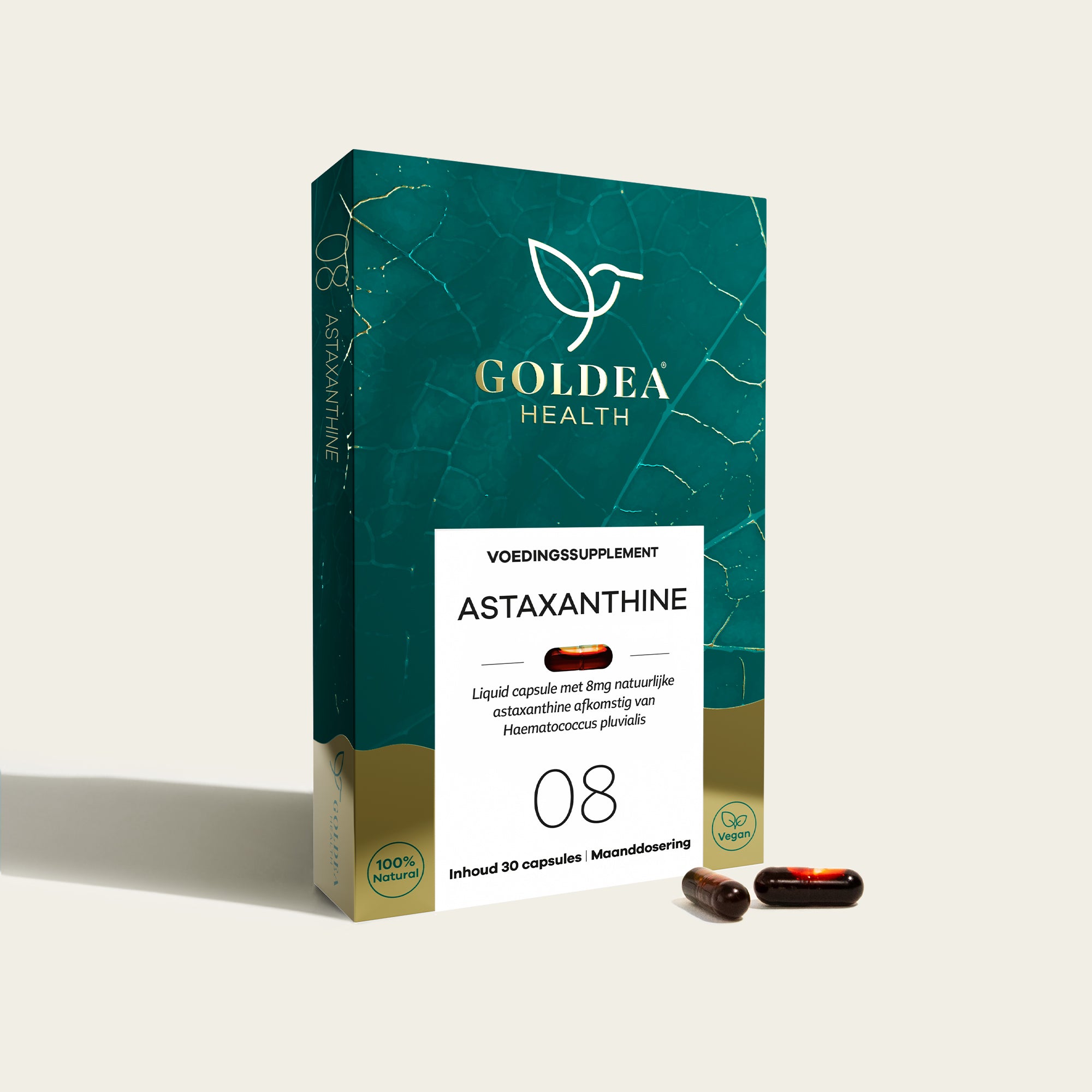
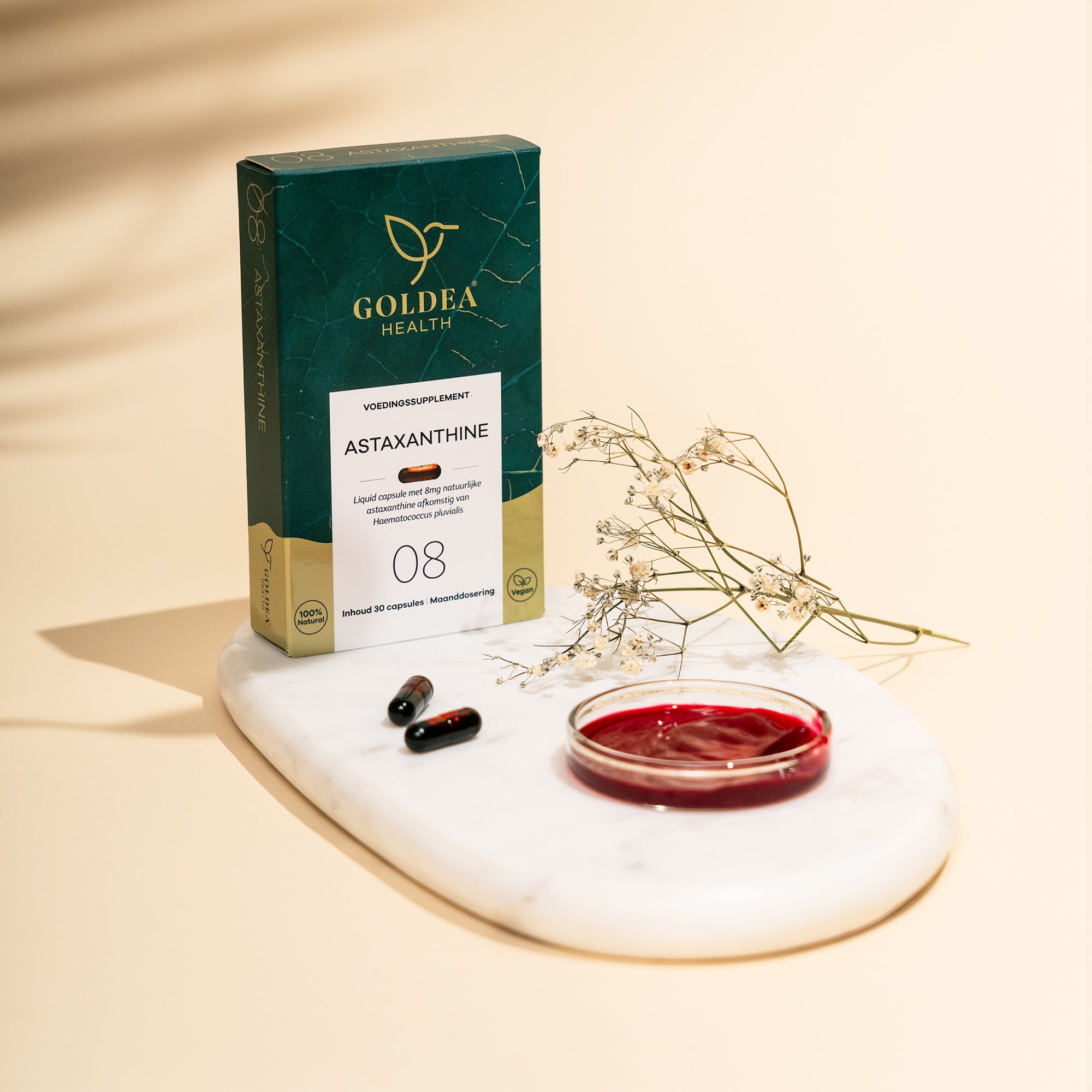
Een van de meest bijzondere antioxidanten is astaxanthine, een rode carotenoïde die vooral bekend is vanwege de link met huid, zonbelasting en oxidatieve stress. Lees ook de blog over wat astaxanthine zo bijzonder maakt als antioxidant

Wateroplosbare antioxidanten zoals vitamine C kunnen vooral actief zijn in de waterige delen in en rondom cellen, terwijl vetoplosbare ook in het celmembraan kunnen werken en door de bloed-brein-barriere heen kunnen. Dat klinkt ingewikkeld, maar dat betekent eigenlijk dat ze ook in je brein terecht kunnen komen en daar je cellen extra beschermen.

Veel voedingsmiddelen die rijk zijn aan antioxidanten, hebben ook andere belangrijke functies in het lichaam. Bijvoorbeeld Curcumine uit kurkuma is een mooi antioxidant, maar heeft ook heel sterke ontstekingsremmende eigenschappen.

Antioxidant oxidatieve stress celschade anti oxidant

How do you know if you have too few antioxidants?

Listen carefully to your body and pay attention to signals such as:

  • Fatigue for no apparent reason
  • Skin that looks duller or older
  • Slow recovery after stress or illness
  • Getting sick regularly
  • Brain fog, concentration problems
  • Chronic inflammation (e.g. skin, intestines, joints)
  • Sensitivity to sunlight

Do you recognize yourself in this? Then it's wise to take a critical look at your diet (or supplements).

💡 Your body must therefore maintain a balance between free radicals and antioxidants . If this fails, you risk oxidative stress .

Which foods are high in antioxidants ?

Where do antioxidants come from? And how do you get more of them? It's simple. Think in as many colors and variations as possible. Here's your shopping list of foods that literally protect your body:

  • Blueberries, blackberries, raspberries, pomegranate seeds → full of anthocyanins and flavonoids
  • Dark chocolate (min. 70%) → full of flavonoids, also good for your mood
  • Spinach, kale, Swiss chard → rich in lutein, chlorophyll and vitamin C
  • Carrots and sweet potatoes → beta-carotenes in abundance
  • Bell peppers and kiwi → vitamin C bombs
  • Nuts & seeds → lots of vitamin E and selenium
  • Green tea → contains catechins, one of the most powerful polyphenols
  • Turmeric, cinnamon, oregano, rosemary → fresh herbs are antioxidant bombs
  • Olive oil (extra virgin) → rich in polyphenols and protective fatty acids

Antioxidant voeding antioxidanten bessen

Antioxidanten makkelijk toevoegen

Smoothie
Blauwe bessen, granaatappel, avocado, citroen.
Kurkuma + peper
Voeg toe aan curry, roerbak of soep.
Kleurrijke salade
Rucola, paprika, geitenkaas, granaatappelpitjes.
Groene thee
Elke dag een kop voor EGCG-power.
Crunch & cacao
Worteltjes, paranoten of pure chocola.
Bak slim
Olijfolie in plaats van zonnebloemolie.
Kaneel
Voeg toe aan havermout of yoghurt.
Vette vis 3×/week
Makreel of sardines (ook antioxidanten!).

A few ideas to easily add antioxidants into your day:

  • Start your day with a smoothie with blueberries, pomegranate, avocado and lemon
  • Add turmeric and black pepper to your curry, stir-fry or soup
  • Make a salad with arugula, bell pepper, goat cheese and pomegranate seeds
  • Drink a cup of green tea every day
  • Eat carrots, Brazil nuts or a piece of dark chocolate regularly
  • Bake with olive oil instead of sunflower oil
  • Add cinnamon to your oatmeal or yogurt
  • Eat oily fish such as mackerel or sardines 3 times a week (also antioxidants!)

This way , you truly let your food be your medicine . The most loving care for your body.

Antioxidanten supplementen

Hoewel voeding de basis is, kan suppletie nuttig zijn in bepaalde gevallen:

  • Bij eenzijdige voeding
  • Bij hoge oxidatieve stress (stress, roken, intensief sporten)
  • Voor specifieke doelen (huid, energie, weerstand)

Summary

We live in a world where our bodies are subjected to so much stress. Air pollution, stress, artificial light, processed foods, and less sleep... all things that create extra free radicals. Unfortunately, you can't avoid them all, but you can help your body better protect itself .

Make sure you get enough antioxidants from food and/or supplements. Eat what you need by adding plenty of color and variety to your plate, and take good care of yourself. This will already help reduce inflammation. And you can read more about how to do this naturally here.

Veelgestelde vragen

Wat zijn antioxidanten precies?

Antioxidanten zijn stoffen die je lichaam helpen beschermen tegen vrije radicalen. Vrije radicalen zijn instabiele moleculen die schade kunnen geven aan cellen, eiwitten en DNA wanneer ze in te grote hoeveelheden aanwezig zijn.

Je lichaam maakt zelf antioxidanten aan, maar je haalt ze ook uit voeding. Denk aan vitamine C, vitamine E, selenium, zink, carotenoïden en polyfenolen uit kleurrijke groenten, fruit, kruiden, noten, zaden, cacao, groene thee en olijfolie.

Wat doen antioxidanten in je lichaam?

Antioxidanten helpen vrije radicalen te neutraliseren. Daarmee ondersteunen ze de balans tussen oxidatieve belasting en bescherming in je lichaam.

Die balans is belangrijk voor je cellen, huid, weerstand, herstel, energie en healthy aging. Antioxidanten zijn dus geen “extraatje”, maar onderdeel van een normale, gezonde lichaamsfunctie.

Wat zijn vrije radicalen?

Vrije radicalen zijn instabiele moleculen die in je lichaam ontstaan bij normale processen, zoals ademhaling en energieproductie. Ze kunnen ook toenemen door stress, roken, alcohol, luchtvervuiling, UV-straling, slaaptekort, intensief sporten en sterk bewerkte voeding.

Vrije radicalen zijn niet per definitie slecht. Je lichaam heeft ze ook nodig voor bepaalde processen. Het probleem ontstaat vooral wanneer er te veel vrije radicalen zijn en te weinig antioxidanten om ze in balans te houden.

Wat is oxidatieve stress?

Oxidatieve stress ontstaat wanneer er meer vrije radicalen aanwezig zijn dan je lichaam goed kan neutraliseren. Dan kan er schade ontstaan aan cellen en weefsels.

Oxidatieve stress wordt vaak in verband gebracht met veroudering, huidveroudering, ontstekingsprocessen, vermoeidheid en een grotere belasting voor je lichaam. Daarom is het belangrijk om dagelijks voeding binnen te krijgen die rijk is aan antioxidanten.

Welke voeding bevat veel antioxidanten?

Antioxidanten zitten vooral in kleurrijke, plantaardige voeding. Denk aan blauwe bessen, bramen, frambozen, granaatappel, kiwi, paprika, wortel, zoete aardappel, groene bladgroenten, kruiden, groene thee, cacao, noten, zaden en extra vierge olijfolie.

Een simpele regel: hoe meer kleur en variatie op je bord, hoe breder je antioxidant-inname meestal is. Niet één superfood maakt het verschil, maar je totale voedingspatroon.

Welke antioxidanten zijn belangrijk voor je huid?

Voor je huid zijn vooral vitamine C, vitamine E, carotenoïden, polyfenolen en astaxanthine interessant. Vitamine C speelt een rol bij de aanmaak van collageen. Vitamine E helpt celmembranen beschermen. Carotenoïden en polyfenolen ondersteunen je huid van binnenuit.

Astaxanthine is een bijzondere antioxidant binnen de carotenoïden en wordt vaak gekozen door mensen die hun huid willen ondersteunen bij oxidatieve stress, zonbelasting en huidveroudering. Wil je hier dieper op ingaan? Lees dan ook onze blog over wat astaxanthine zo bijzonder maakt als antioxidant.

Kun je te veel antioxidanten binnenkrijgen?

Via normale voeding is dat niet snel een probleem. Je lichaam krijgt dan antioxidanten binnen in combinatie met vezels, vitamines, mineralen en andere plantenstoffen.

Bij supplementen ligt dat anders. Hoge doseringen van losse antioxidanten zijn niet altijd beter en kunnen in sommige situaties juist ongunstig zijn. Zeker als je medicatie gebruikt, ziek bent, zwanger bent of behandeld wordt voor een medische aandoening, is het verstandig om eerst te overleggen met een arts of therapeut.

Kun je te weinig antioxidanten binnenkrijgen?

Ja, dat kan. Vooral als je weinig groenten en fruit eet, veel stress hebt, rookt, slecht slaapt, veel alcohol drinkt, vaak intensief sport of veel bewerkte voeding eet.

Signalen zoals vermoeidheid, een doffe huid, langzaam herstel, brain fog of vaker ziek zijn kunnen passen bij een hogere oxidatieve belasting. Maar ze zijn niet specifiek genoeg om meteen te zeggen dat je een antioxidantentekort hebt. Zie ze vooral als signaal om je voeding en leefstijl kritisch te bekijken.

Zijn antioxidantensupplementen nodig?

Niet nodig. Maar een supplement kan wel interessant zijn wanneer je een verhoogde behoefte hebt, mits je kiest voor kwalitatief goede supplementen en ze gebruikt als aanvulling op een gezond dieet. Antioxidanten zijn geen vervanging voor voeding, maar kunnen wel een nuttige aanvu

Wat is de sterkste antioxidant?

Sommige antioxidanten werken vooral in waterige delen van het lichaam, zoals vitamine C. Andere werken juist in vetrijke structuren, zoals celmembranen.

Astaxanthine wordt vaak een van de krachtigste antioxidanten genoemd, maar het belangrijkste blijft synergie. Antioxidanten werken samen. Daarom is variatie belangrijker dan één stof als heilige graal zien.

Hoe krijg je dagelijks meer antioxidanten binnen?

Maak het simpel. Voeg bij elke maaltijd kleur toe. Denk aan bessen bij je ontbijt, kruiden bij je lunch, groenten bij je diner, extra vierge olijfolie over je maaltijd, groene thee tussendoor en af en toe pure cacao of noten.

Je hoeft niet perfect te eten. Maar als je bord elke dag beige is, mis je waarschijnlijk veel beschermende plantenstoffen. Kleur is hier echt je beste basisstrategie.

Goldea Sunday News

This blog was written by Laura Contreras , an orthomolecular therapist and registered intestinal therapist. In my practice, I treat a wide variety of complaints daily, from digestive issues to fatigue and skin problems.

Want more practical tips and scientific insights that will truly help you achieve optimal health? Sign up now for our Goldes Sunday News and receive a short newsletter every Sunday.

Register for free
Sources

Singh, A. K., Pandey, P., Tewari, M., Pandey, H. P., Gambhir, I. S., & Shukla, H. S. (2016). Free radicals have head and neck cancer risk: A study of total oxidant, total antioxidant, DNA damage, and histological grade. Journal of postgraduate medicine , 62 (2), 96–101. https://doi.org/10.4103/0022-3859.180555

Liguori, I., Russo, G., Curcio, F., Bulli, G., Aran, L., Della-Morte, D., Gargiulo, G., Testa, G., Cacciatore, F., Bonaduce, D., & Abete, P. (2018). Oxidative stress, aging, and diseases. Clinical interventions in aging , 13 , 757–772. https://doi.org/10.2147/CIA.S158513

Wright, E., Jr, Scism-Bacon, J. L., & Glass, L. C. (2006). Oxidative stress in type 2 diabetes: the role of fasting and postprandial glycemia. International journal of clinical practice , 60 (3), 308–314. https://doi.org/10.1111/j.1368-5031.2006.00825.x

Marfella, R., Quagliaro, L., Nappo, F., Ceriello, A., & Giugliano, D. (2001). Acute hyperglycemia induces an oxidative stress in healthy subjects. The Journal of clinical investigation , 108 (4), 635–636. https://doi.org/10.1172/JCI13727

Nagpal, M., & Sood, S. (2013). Role of curcumin in systemic and oral health: An overview. Journal of natural science, biology, and medicine , 4 (1), 3–7. https://doi.org/10.4103/0976-9668.107253